
01
Capture the request and context.
Teams can collect the issue, location, asset, priority, photos, and requester details before work starts.
Move more work onto a planned schedule.
Planned maintenance gives your team a better chance to order parts, schedule downtime, and catch repeat failures before they become emergency calls.
Operating record
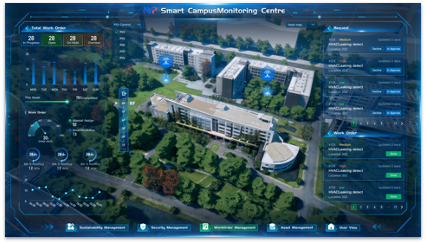
Infodeck keeps the request, assignment, status, evidence, and reporting connected from first report to close-out.
01
Teams can collect the issue, location, asset, priority, photos, and requester details before work starts.
02
Requests, approvals, technicians, contractors, due dates, and follow-up actions stay visible to the people responsible.
03
Close-out notes, timestamps, attachments, and history stay with the record for reviews, audits, and planning.
See the transformation when you plan maintenance instead of reacting to it
Without Infodeck
The daily struggle
Always putting out fires
Equipment breaks. Everyone scrambles. Operations stop. You're a hero today, but it happens again next week.
Maintenance costs spiral
Emergency repairs bring rush parts, overtime, downtime, and repeated callouts. The budget gets harder to explain.
Unpredictable downtime
You can't plan around breakdowns. Production schedules ruined. Occupants frustrated. Reputation damaged.
No time for prevention
Your team is too busy fixing emergencies to prevent the next one. The cycle never ends.
With Infodeck
The new reality
Automated PM schedules
Set it once. Work orders generate automatically. Equipment gets serviced before it fails.
Planned maintenance = lower costs
Schedule work during quieter windows, order parts in advance, and keep fewer jobs stuck in emergency mode.
Predictable, planned downtime
You decide when maintenance happens. Coordinate with operations. No more surprise outages.
IoT alerts catch problems early
Sensors detect anomalies before failure. Address issues when they're minor, not emergencies.
Everything you need to shift your maintenance strategy
Create recurring work orders based on time, meter readings, or calendar dates. Keep service intervals visible before dates pass.
Connect sensors to detect temperature spikes, vibration changes, energy anomalies. Get alerts before equipment fails.
Track how much work is planned vs. reactive. Watch your ratio improve over time. Prove the ROI.
See which equipment needs attention before it fails. Prioritize resources based on criticality and condition.
Walk through a preventive maintenance process that starts before the next failure.
30-minute working session. Trial access starts through the demo flow. Preventive maintenance workflows included.
Related paths
Follow the next pages that usually help teams evaluate this workflow.